Blog

The Top Tips for Driving in the UK

The Top Tips for Driving in the UK

Many holiday makers find that self drive breaks are a great way to see the countryside, take more time to explore hidden places and enjoy their time while away.  When driving on holiday in teh British Isles, there are some good tips to take heed 

Motorway Driving in the UK

Motorway Driving in the UK

In the UK, the motorways are the fastest roads available, even though they sometimes don’t seem very fast when the traffic is heavy!  Here are some helpful hints for driving on Britain’s motorways. Join the motorway via a slip road.  It is a good idea 

Driving Success: Exploring the World of Chauffeur Jobs in Cornwall

Driving Success: Exploring the World of Chauffeur Jobs in Cornwall

Cornwall’s car hire industry is thriving, fuelled by a blend of tourism, business travel, and luxury events. With visitors seeking tailored transport and local businesses needing reliable executive travel, demand for professional chauffeurs has never been higher. For those searching for rewarding chauffeur jobs, Cornwall offers a unique opportunity to work in one of the UK’s most scenic and in-demand regions.

Why Chauffeur Work Is Thriving in Cornwall

Cornwall is more than just beaches and pasties. The region’s flourishing hospitality sector, combined with its popularity among high-end visitors, has created strong demand for premium car services. From airport transfers and hotel pick-ups to wedding transport and corporate events, chauffeurs play a vital role in ensuring that every journey is smooth, punctual, and personalised.

Car hire companies in Cornwall are expanding their fleets and service options to meet this rising demand, offering opportunities for skilled drivers who can deliver quality, professionalism, and discretion.

What Makes a Great Chauffeur

Being a chauffeur goes far beyond driving from A to B. It’s about providing an experience. Excellent customer service, local knowledge, and a calm, polished manner are essential. Many clients rely on chauffeurs not only for safe transport but also for reliability, privacy, and courtesy.

Drivers with experience in hospitality, logistics, or customer-facing roles often find they already possess many of the soft skills needed. Confidence behind the wheel and familiarity with Cornwall’s roads also give candidates an advantage — especially when navigating narrow lanes or planning scenic coastal routes.

Qualifications and Requirements

Although a standard UK driving licence is a minimum requirement, professional chauffeurs usually go further. Many Cornish car hire companies look for candidates with additional training, such as advanced driving qualifications through the DVSA or accredited driving schools.
Other beneficial credentials include private hire licences, first aid training, and customer service certifications. A clean driving record is essential, while smart presentation and reliability are highly valued qualities.

Some employers may provide in-house training, particularly for new recruits who demonstrate the right attitude and commitment to service excellence.

The Benefits of Working in Chauffeur Jobs

Working as a chauffeur in Cornwall offers more than just a competitive income. It provides flexibility — with opportunities for full-time roles, seasonal contracts, or freelance work during busy tourist periods. Drivers often enjoy varied days, meeting interesting people and travelling across some of the most picturesque parts of the UK.

Whether handling luxury wedding cars, corporate transfers, or VIP travel, every assignment brings something new. Many drivers appreciate the independence of the work, especially when supported by a professional car hire company that handles bookings and vehicle maintenance.

Joining a Cornish Car Hire Company

For those ready to step into a chauffeur career, connecting with a reputable local car hire business is a smart start. Cornwall has several established providers offering luxury and executive transport, from coastal tours to wedding packages. These companies value reliability, local expertise, and impeccable driving standards.

Working with a Cornish car hire firm means becoming part of a trusted brand, where your professionalism contributes directly to customer satisfaction and company reputation. Many also offer progression opportunities, enabling chauffeurs to move into supervisory or fleet management roles over time.

How to Apply and Get Started

If you’re exploring the idea of professional driving, now is the time to act. Begin by researching local car hire websites in Cornwall and browse their ‘Careers’ or ‘Employment Opportunities’ sections. Tailor your CV to highlight driving experience, local route knowledge, and customer service strengths.

A well-presented application that demonstrates flexibility and enthusiasm can stand out in a competitive market. Once you secure your first role, focus on building client trust — happy passengers often lead to repeat bookings and glowing recommendations.

Featured image credit: AI generated.

From Horses to Horsepower: How the Drive Shaft Revolutionised Transportation

From Horses to Horsepower: How the Drive Shaft Revolutionised Transportation

The clip-clop of hooves on cobblestones once dominated our streets, but within a few short decades, the rhythmic rumble of engines transformed how we moved through the world. At the heart of this mechanical revolution lay a deceptively simple component: the humble drive shaft. This 

From Couch Potato to Wave Rider: My 5-Day Newquay Surf Transformation

From Couch Potato to Wave Rider: My 5-Day Newquay Surf Transformation

I hadn’t done exercise since school PE lessons, but somehow I went from Netflix binger to catching real waves in just five days. Here’s my brutally honest diary of having surf lessons Newquay. Day 1: “What Have I Done?” Standing on Towan Beach at 9 

How V Belts Are Used Within the Automotive Industry

How V Belts Are Used Within the Automotive Industry

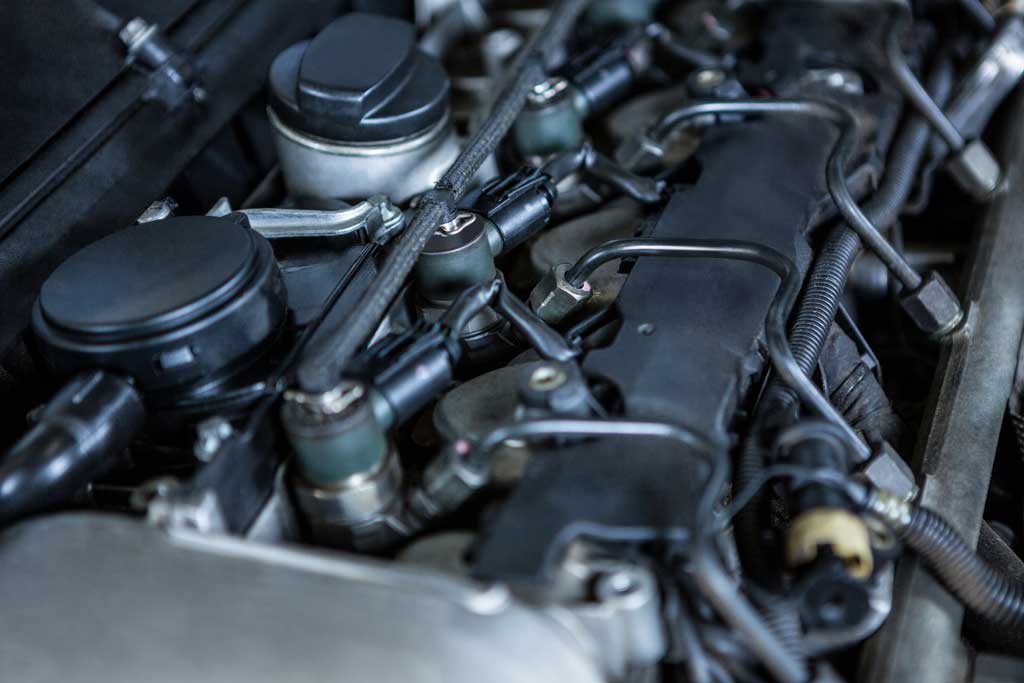
Do you really have a good knowledge of the hard-working components under the bonnet of your car? V belts are a cornerstone of mechanical power transmission, and nowhere is their importance more evident than in the automotive sector. These belts ensure that essential vehicle systems function reliably and efficiently, providing a smooth driving experience. Some configurations, such as mv belts, are specifically designed for multiple rib applications and are increasingly common in modern engines where space is limited but performance demands are high.

What are V Belts?

A V belt is a flexible, looped drive belt with a trapezoidal cross-section. This shape allows the belt to fit securely into the matching grooves of pulleys, creating a wedging action that reduces slippage and maximises power transfer. In vehicles, this translates into reliable operation of key systems, including the alternator, air conditioning compressor, and power steering pump.

The Evolution of V Belts in Automobiles

Early automobiles used flat belts, but these were often prone to slipping under high loads. The introduction of v belts in the early 20th century offered a stronger, more dependable solution. By the 1960s, most vehicles adopted v belts to drive peripheral systems. Over time, the need for greater efficiency and compact engineering led to variations such as cogged belts and the multi-ribbed (mv) belt, which can drive multiple engine accessories simultaneously from a single belt.

Types of V Belts Found in Vehicles

Automotive applications often demand slightly different belt types depending on the design of the engine:

Classical V Belts

Found in older vehicles, typically used to power individual components.

Cogged V Belts

Offer enhanced flexibility and efficiency by running cooler and bending more easily around pulleys.

Serpentine or MV Belts

A modern development, these multi-ribbed belts are designed to run multiple accessories at once. They are now a standard feature in most cars, replacing the need for several separate v belts.

Essential Roles in Vehicle Systems

In the automotive industry, v belts and mv belts take on critical responsibilities:

Alternator Drive

Powers the alternator, ensuring that the vehicle’s battery remains charged and capable of supporting electrical systems.

Air Conditioning Compressor

A v belt drives the compressor clutch, enabling climate control systems to function efficiently.

Power Steering Pump

Provides the hydraulic assistance needed for easier steering, particularly noticeable at low speeds.

Water Pump Drive (in some vehicles)

Regulates engine cooling by circulating coolant, crucial for preventing overheating.

In modern vehicles, a single mv belt often handles all of these functions. If the belt fails, multiple systems can stop working at once, which is why careful maintenance is so important.

Advantages of V Belts in Automotive Applications

The continued reliance on v belts in motor vehicles speaks to their proven benefits:

Compact and Efficient

Ideal for engines where space is at a premium.

Durable Under Stress

Designed to withstand heat, vibration, and continuous operation.

Cost-Effective

Relatively low in price and easy to replace, making them practical for both manufacturers and drivers.

Reliable

Their wedge design ensures minimal slippage, even under fluctuating loads.

Maintenance and Replacement

Routine inspection of v belts and mv belts is essential for safe vehicle operation. Cracks, fraying edges, or glazing on the belt surface are signs of wear and should not be ignored.
Key factors in belt care include:

  1. Correct tensioning – Too tight, and bearings wear prematurely; too loose, and the belt slips.

  2. Pulley alignment – Misaligned pulleys create uneven wear and noise.

  3. Scheduled replacement – Many manufacturers recommend replacing serpentine (mv) belts between 60,000–100,000 miles, though this can vary with conditions.

V Belts: An Indispensable Commodity

Within the automotive industry, v belts are indispensable. They power vital systems that contribute directly to vehicle safety, comfort, and reliability. From classical types in vintage cars to the versatile mv belts in modern engines, these components represent one of the most effective methods of power transmission on the road. Proper selection, installation, and regular maintenance ensure that vehicles keep running smoothly — proof that even a small component can make a big difference to overall performance.

Image credit: Freepik

Exploring the Charm of Canal Boats for Sale in the UK

Exploring the Charm of Canal Boats for Sale in the UK

With growing interest in alternative lifestyles and staycations, it’s no surprise that Canal Boats for Sale are attracting attention across the UK. These long, narrow vessels offer a peaceful and charming way to explore Britain’s historic waterways, providing a unique opportunity to live or holiday 

Unraveling the Mysteries of Rod End Bearings

Unraveling the Mysteries of Rod End Bearings

When it comes to the unsung heroes of the mechanical world, rod end bearings certainly make the list. Small but mighty, these pivotal components are essential in various applications, from aircrafts to performance vehicles. In this blog post, we’ll delve into their world, exploring what 

Vehicle Bearings: A Hidden Hero in Your Daily Commute

Vehicle Bearings: A Hidden Hero in Your Daily Commute

Whether you’re an auto enthusiast or just someone who relies on a car to get from point A to B, the importance of vehicle bearings might not spring immediately to mind. However, these relatively small components play crucial roles in the efficiency and safety of your vehicle. Let’s embark on a journey exploring what bearings are, why they are essential, and how you can ensure they stay in optimal condition to keep your car running smoothly.

Understanding Vehicle Bearings

In simple terms, a vehicle bearing is a device that allows constrained relative motion between two or more parts, typically rotation or linear movement. Bearings are used extensively in cars, trucks, and other forms of transportation to reduce friction between moving parts and to support moving loads. Without them, our vehicles would not operate as quietly, or efficiently, and parts would wear out much faster.

Types of Bearings in Your Vehicle

1. Ball Bearings: Perfect for handling both radial and thrust loads, they’re commonly used in the wheels.

2. Roller Bearings: Best for heavier load-bearing applications, they’re often found in transmission systems.

3. Tapered Roller Bearings: These are designed to handle large radial and thrust loads, making them ideal for the wheel and axle systems.

4. Needle Roller Bearings: Their smaller surface area helps them reduce the friction of rotating surfaces in tight spaces, like the gearbox.

Each type plays a distinct role in ensuring you enjoy a smooth ride and that your vehicle’s parts are worn down less quickly over their lifespan.

Why Care About Vehicle Bearings?

Smooth and Silent Running

One of the primary benefits of properly maintained vehicle bearings is the smooth operation of the vehicle’s moving parts, such as the wheels, gearbox, and engine. Well-maintained bearings ensure that these parts can rotate without too much friction, which could otherwise lead to wear and tear, noise, and inefficient operation.

Longevity and Cost-Efficiency

Bearings are small but mighty—they help prevent other parts of the vehicle from premature wear and potential failure. This not only helps in extending the life of these parts but can also be seen as a cost-efficient approach to vehicle management. Replacing a bearing is almost always cheaper than replacing a worn-out engine part!

The Care and Keeping of Your Vehicle Bearings

Regular Maintenance Checks

Your vehicle’s maintenance schedule should include regular checks and replacement of bearings. Common signs that your bearings need attention include strange noises, a feeling of looseness, or uneven tire wear.

Listen and Feel

A grinding noise coming from the wheels or a shaky steering wheel can often indicate bearing issues. It’s crucial not only to listen but also to feel how your car behaves as you drive.

Troubleshooting Common Bearings Problems

When faced with bearing issues, it is vital to address them promptly to avoid further complications. Here are a few tips:

  • Noise Inspection: Listen for grinding or squeaking noises; they’re often the first sign of bearing wear.
  • Visual Check: Look for grease around the wheel and bearing area. Excessive dirt or buildup can cause bearing damage.
  • Professional Help: If you’re unsure, it’s always a good idea to seek professional mechanical advice.

In Conclusion

Though often overlooked, vehicle bearings are fundamental to the functional and efficient operation of your vehicle. Regular checks and maintenance not only enhance the life of these components but also ensure your safety on the road. Next time you drive, remember that there’s a lot going on just beneath the surface to make your journey smooth and enjoyable!

Steering Toward Success: Becoming a Professional Chauffeur

Steering Toward Success: Becoming a Professional Chauffeur

For those with a love of driving and a knack for superior customer service, pursuing London chauffeur jobs can be both a lucrative and rewarding career path. Whether cruising through the historic streets of the city or providing first-class service to high-profile clients, becoming a 

What is the latest technology in a car?

What is the latest technology in a car?

There are several features that an advanced car over the years cars have developed. One is GPS vehicle tracking which is where one car potentially has ability to track and locate another vehicle wherever it could possibly be. Vehicle-to-vehicle communication is also effective and is